
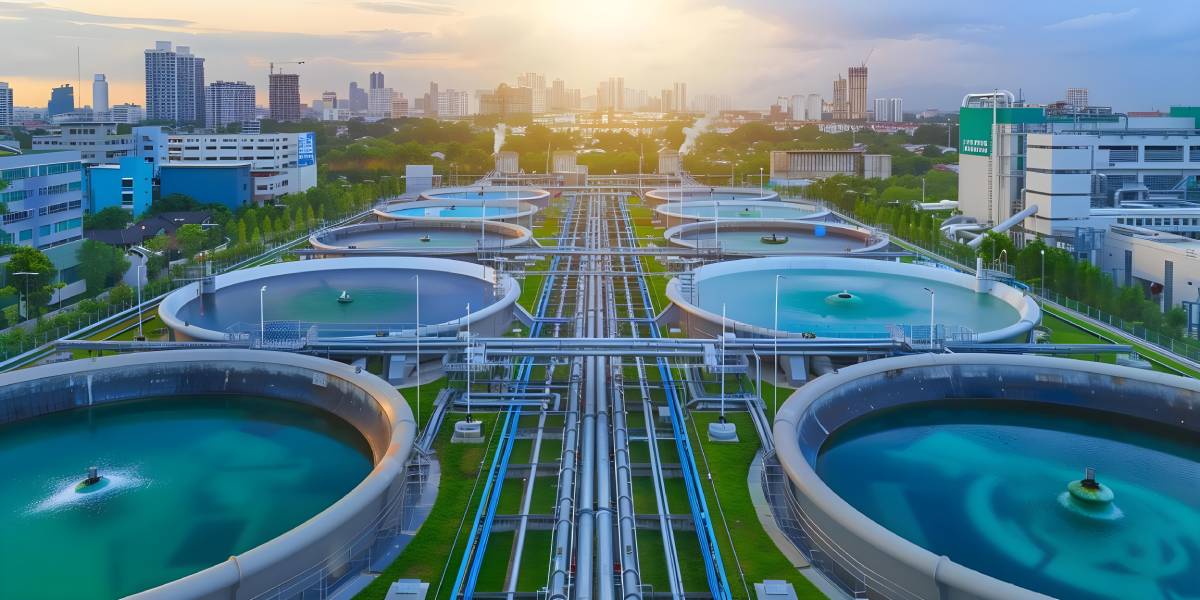
 Illustrative image – not actual.
The World Bank has enhanced its support for the Central government’s programme to rejuvenate the Ganga river with USD 400 million funding.
The Second National Ganga River Basin Project (SNGRBP), approved by the World Bank’s Board of Executive Directors on 25 June 2020, will support the government’s Namami Gange programme and its long-term vision for controlling pollution in the river and restoring its water quality.
The World Bank has been supporting the government’s efforts since 2011 through the ongoing National Ganga River Basin Project (NGRBP), which helped set up the National Mission for Clean Ganga (NMCG) as the nodal agency to manage the river, and financed sewage treatment infrastructure in several riverside towns and cities.
The government’s Namami Gange programme has revitalised India’s efforts to rejuvenate the Ganga
The first World Bank project helped build critical sewage infrastructure in 20 pollution hotspots along the river, and this project will help scale this up to the tributaries. It will also help the government strengthen the institutions needed to manage a river basin as large and complex as the Ganga Basin.
The ongoing National Ganga River Basin Project helped in treating sewage with a capacity of 1,275 MLD and built 3,632 km sewage network.
The project will be built on the hybrid annuity model (HAM) of public private partnership introduced under the ongoing NGRBP, and which has become the solution of choice for sewage treatment investments in the Ganga Basin.
Under this model, the government pays a private operator 40 percent of the capital cost to build a sewage treatment plant during the construction period; the remaining 60 percent is paid as performance-linked payments over 15 years to ensure that the operator runs and maintains the plant efficiently.
The Second National Ganga River Basin Project comprises a loan in the amount of USD 381 million and a proposed guarantee in the amount of up to USD 19 million. The variable spread loan has a maturity of 18.5 years including a grace period of five years. The guarantee expiry date will be 18 years from the guarantee effectiveness date.