
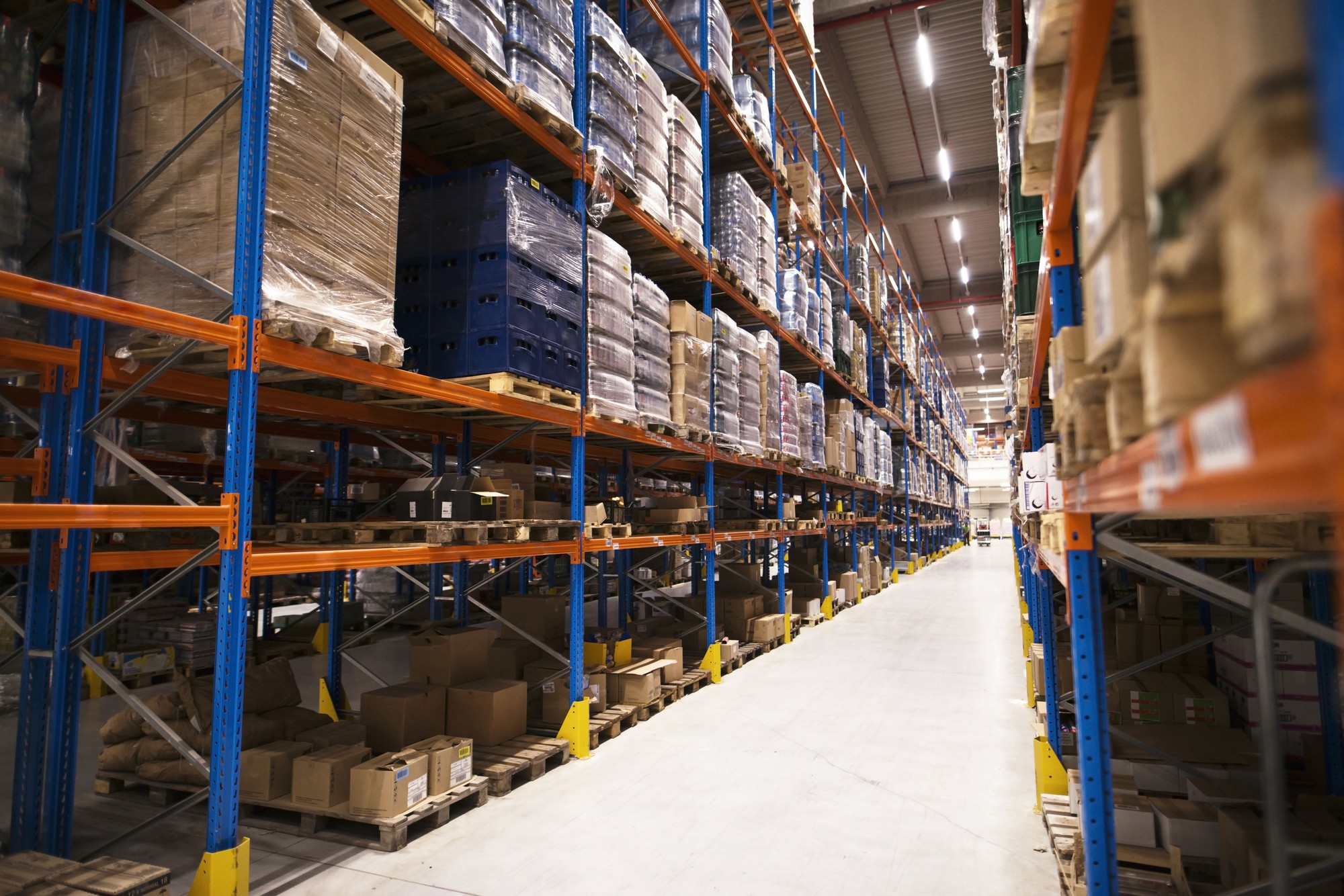
 Illustrative image – not actual.
Visakhapatnam Port Trust (VPT) would be signing a
licence agreement with Visakha Container Terminal (VCTPL) on 11 September 2002,
for the modernisation of a multipurpose berth at the Visakhapatnam port. As per
the agreement, VPT would lease its 450-metre multipurpose berth, in the outer
harbour, to VCTPL for 30 years.
VCTPL is a joint venture between United Liner
Agencies (ULA) of the J M Baxi Group and Dubai Ports International, a
wholly-owned subsidiary of Customs & Free Trade Zone Corporation of Dubai. While
ULA holds 74 per cent in VCTPL, the remaining 26 per cent is held by Dubai
Ports.
Initially, VCTPL plans to invest more than Rs.100
crore on the mechanisation of the berth and creation of other facilities to set
up a container terminal there. As per the understanding reached with the VPT,
commercial operations should start within 9 months of the signing of the lease
agreement and the first cellular vessel should call at the berth in April 2003.
The berth, which has been built by VPT at a cost of
Rs.50 crore has been lying idle for about 2 years. It has a backup area of
70,000 sq m, of which more than 40,000 sq m is paved. The waterfront to the
berth would have an average draft of 16.5 m, enough to handle even 1,500-TEU
capacity vessels with full load. The berth has already got water and lighting
facilities and road access. The port could provide marine and pilotage support
services.
As part of the modernisation project, VCTPL plans to purchase
2 second-hand rail-mounted quay gantry cranes, acquire 2 rubber tyre gantry
cranes (RTGCs), 2 reach stackers, 2 empty handlers and 8 tractor trailers. In
addition, VCTPL would be required to construct an administrative building, set
up a workshop and a sub-station and lay about a kilometre-long rail-line.
Dubai Ports would provide the management consultancy
to VCTPL in the form of technical know-how for operation, front-end
engineering, equipment procurement, system development and manpower selection, while
ULA would be responsible for project management during the construction period
and marketing the terminal.
According to reports, the terminal, given its
location and rail/road connectivity, could evolve into a feeder port to start
with, but eventually develop into a hub port providing direct services for the
traffic to and from South-East Asia and the Far East.