
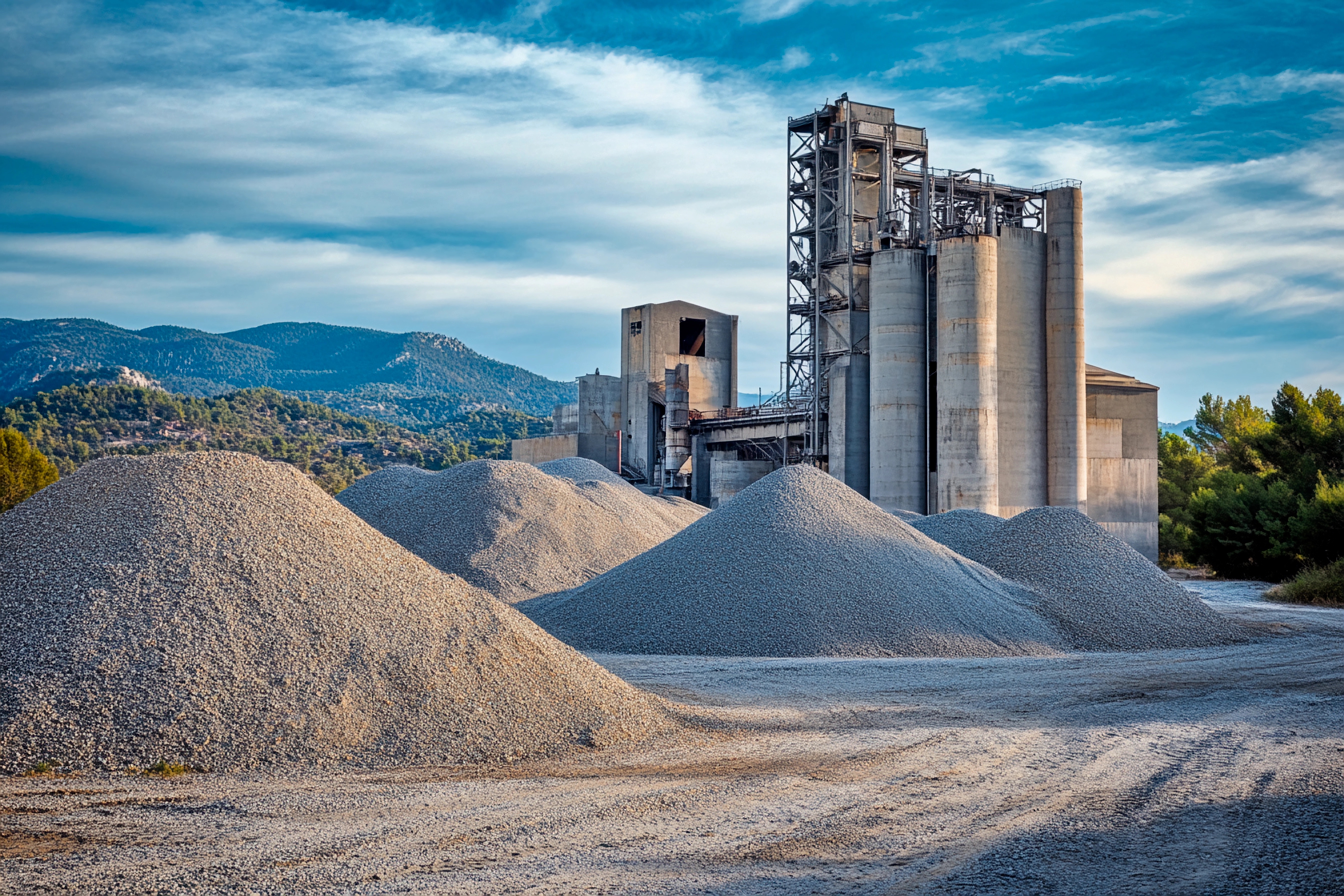
 Illustrative image – not actual.
Vedanta’s aluminium vertical has invited partnerships from cement producers such as ACC, UltraTech Cement and JK Cement to use its byproducts for manufacturing low-carbon cement.
In a national workshop conducted with global industry experts, the company expressed its interest for long-term collaboration with cement industry players on opportunities of using fly ash, a byproduct in thermal power generation, and bauxite residue in cement manufacturing.
The cement industry, which is exploring viable solutions to produce cement more sustainably, is the perfect circular economy partner for Vedanta Aluminium.
Long-term strategic collaborations, such as between Vedanta and India's key cement producers, will not only eliminate significant volumes of industrial waste from the system, but also provide the trifecta of quality, sustainability and cost benefits for the cement industry.
Fly ash and bauxite residue can be used in cement and concrete manufacturing, providing cement manufacturers significant benefits in terms of quality output, cost and sustainability.
Fly ash can partially replace cement in concrete (or be used to produce blended cement), significantly improving durability and workability of cement.
With a 30-33 percent blending ratio, fly ash can help save 270 kg of carbon emissions for every tonne of cement produced.
Bauxite residue can be added to the raw mix in clinker manufacturing to replace virgin bauxite, improving its hydraulic properties and strength. Owing to high concentration of iron oxide and alumina, bauxite residue is a better substitute for laterite, used in clinker manufacturing.
Also, the residual caustic in bauxite residue helps in controlling the emission of sulphur when used directly, making it a better fit for the purpose.
Both fly ash as well as bauxite residue being industrial wastes themselves, come with significant cost and energy advantages as well.