
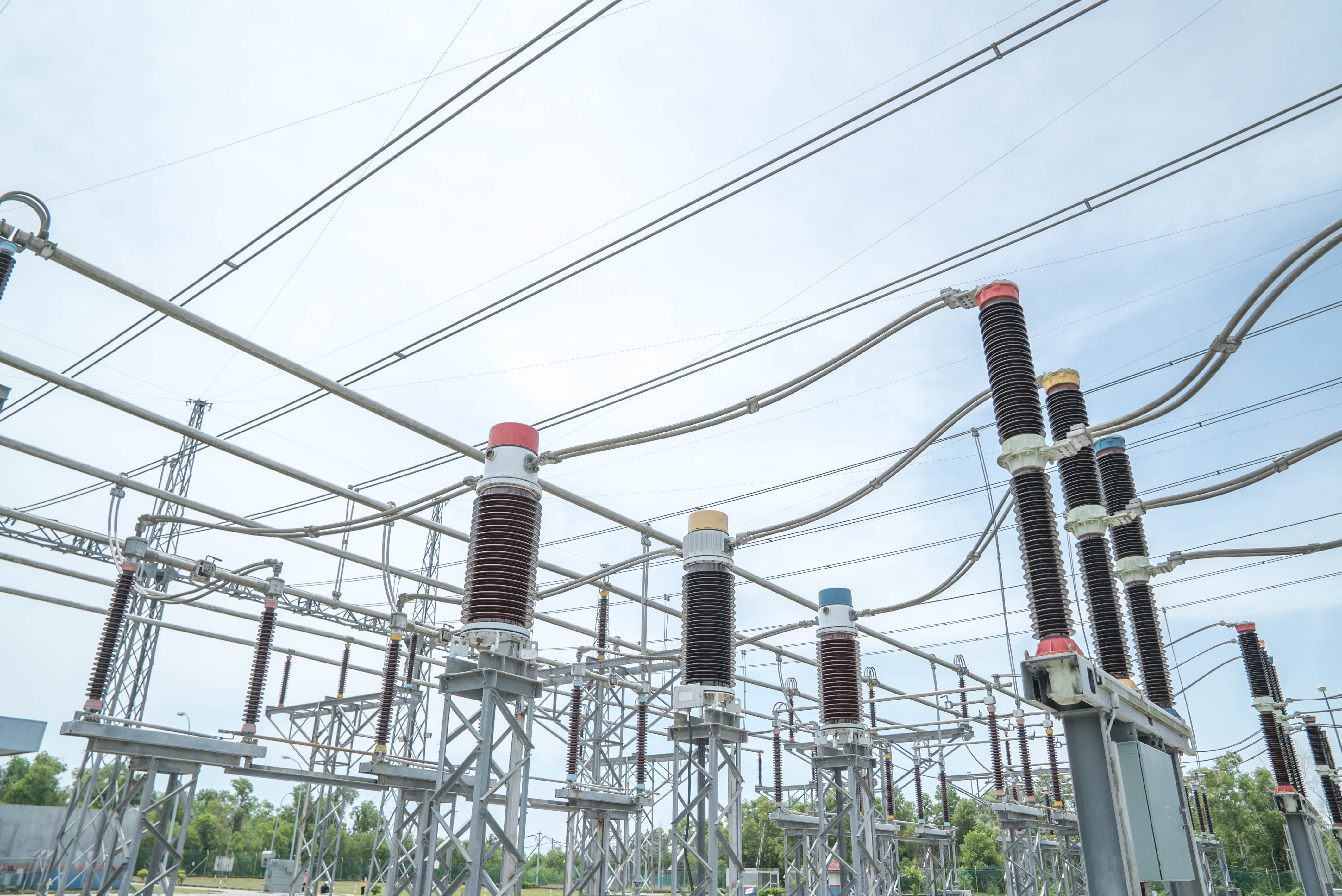
 Illustrative image – not actual.
The Uganda electrification project is under the Bridging the Demand-Supply Gap through Accelerated Rural Electrification Programme (BDSGAREP). It is financed through a concessional loan from the EXIM Bank of China. The Uganda electrification project is planned to be implemented in five phases.
Phase-I includes the official Project Launch Schemes that was selected to achieve visibility in relatively less served districts. Phase-II includes shorter schemes that can be quickly commissioned to increase project visibility in order to achieve, in a short time, a higher percentage of administrative centres connected and manage public expectations.
Phase-III includes the longer lines that will require more resources and time while the rest include schemes that are planned to interconnect with lines that are to be constructed by other REA projects, which are yet to be implemented, especially the World Bank funded Energy for Rural Transformation (ERT III) and the African Development Bank (AfDB) funded UREAP projects.
The overall plan is to ensure that all lines for which construction is completed are commissioned within the shortest time possible and handed over to the respective Service Providers for management and commencement of implementation of customer connections.
The construction work has already begun in most of the Phase-I districts and REA envisages that the contractor will have completed work in 71 districts, equivalent of 68 percent by December 2020.
The project will be executed by TBEA Company, a Chinese company with the help of 45 local subcontracting firms contracted in fulfillment of some of the requirements put in place during the approval of the projects loan. Spain’s EPTISA will be supervising and managing the project over its three year period of implementation.