
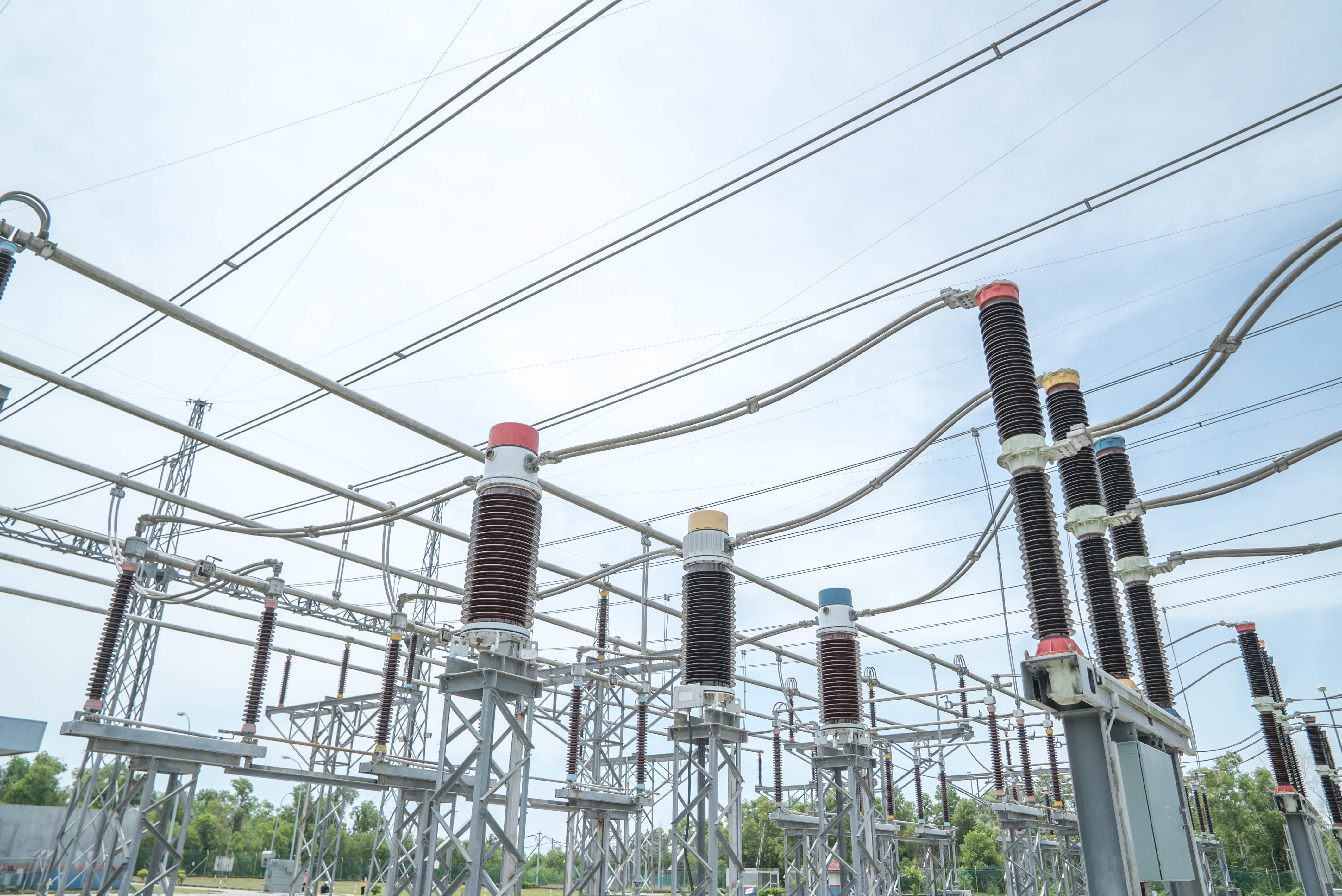
 Illustrative image – not actual.
CESC, promoted by the Goenkas, is likely to benefit
in more than one way from the tariff hike cleared by Calcutta High Court,
assuming that the West Bengal Electricity Regulatory Commission (WBERC)
does not challenge the CESC tariff award in Supreme Court. It may be mentioned
that WBERC has yet to taken a decision.
With the tariff hike, CESC would reportedly, be able to garner a revenue of Rs.285-crore, a part of which could be diverted to finance the Titagarh-Mulajore transmission line project. On completion of this transmission line, CESC would also be in a position to shut down its Mulajore power generating unit, which is its oldest generating station and is considered economically unviable.
Presently, the
power requirements of Mulajore are met by the Mulajore generating unit.
However, this would not be necessary if cheaper power could be harnessed from
the CESC power pool through the proposed transmission line.
CESC has been unable
to commission the Titagarh-Mulajore transmission link due to an acute
cash-crunch. The civil portion of the job has already been completed and if
funds are made available then it could be commissioned by July 2003, after
which the Mulajore unit could be shut down.
The
in-principal decision to shut down Mulajore has been taken in consultation with
McKinsey, as Mulajore is considered high cost, unreliable in terms of power
availability and a highly-polluting unit. For instance, the variable cost at
Mulajore is a hefty Rs.2.40 per unit, compared with below Re 1 per unit at
CESC’s Budge Budge and southern power generating stations.