
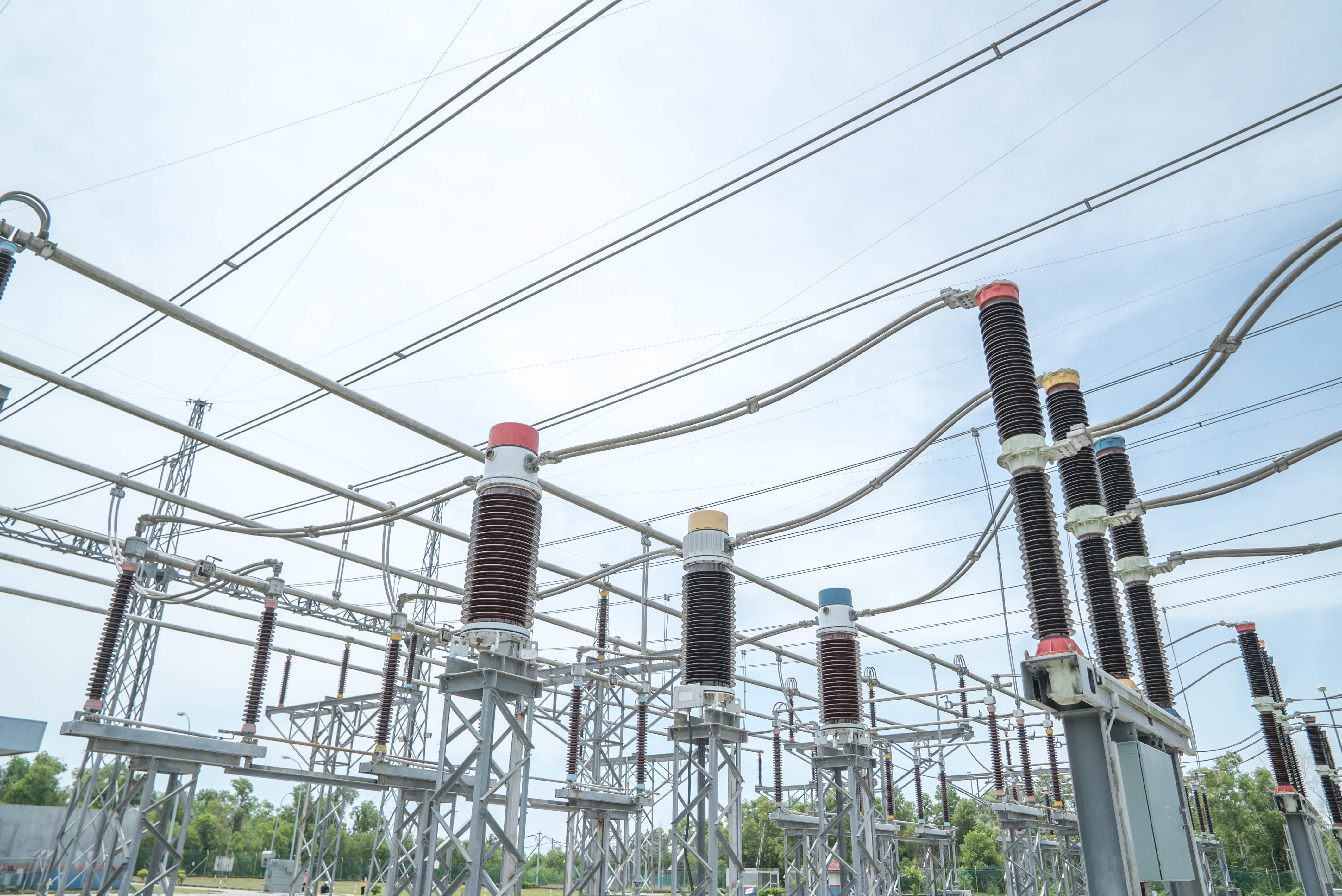
 Illustrative image – not actual.
Shango power substation of 188 MVA in Rwanda has been inaugurated by the African Development Bank, Embassy of Germany in Rwanda and the KfW Development Bank with the government of Rwanda. The Shango power substation is located in Kigali the capital.
The substation comes under the NELSAP Regional Interconnection Project that involves Kenya, Uganda, Rwanda, DRC and Burundi. The Rwandan part, estimated to cost US124.05 million, will have 286 km of 220 kV lines, three substations and will also upgrade two substations.
The African Development Fund contributed around 34 percent of the total project value.
The Shango substation is the biggest in the country and has been designed to play a pivotal role in the management of electricity dispatching services in Rwanda and a routing node for electricity trading between the East African neighbours.
The energisation of the Shango substation and related network will see facilitation of the country’s access to excess power of nearly 1,040 MW from the regional market and also decrease reliance on expensive fossil-fuel generated power.
The country has set a target of achieving affordable, reliable and universal access to electricity come 2024 in alignment with the National Strategy for Transformation.