
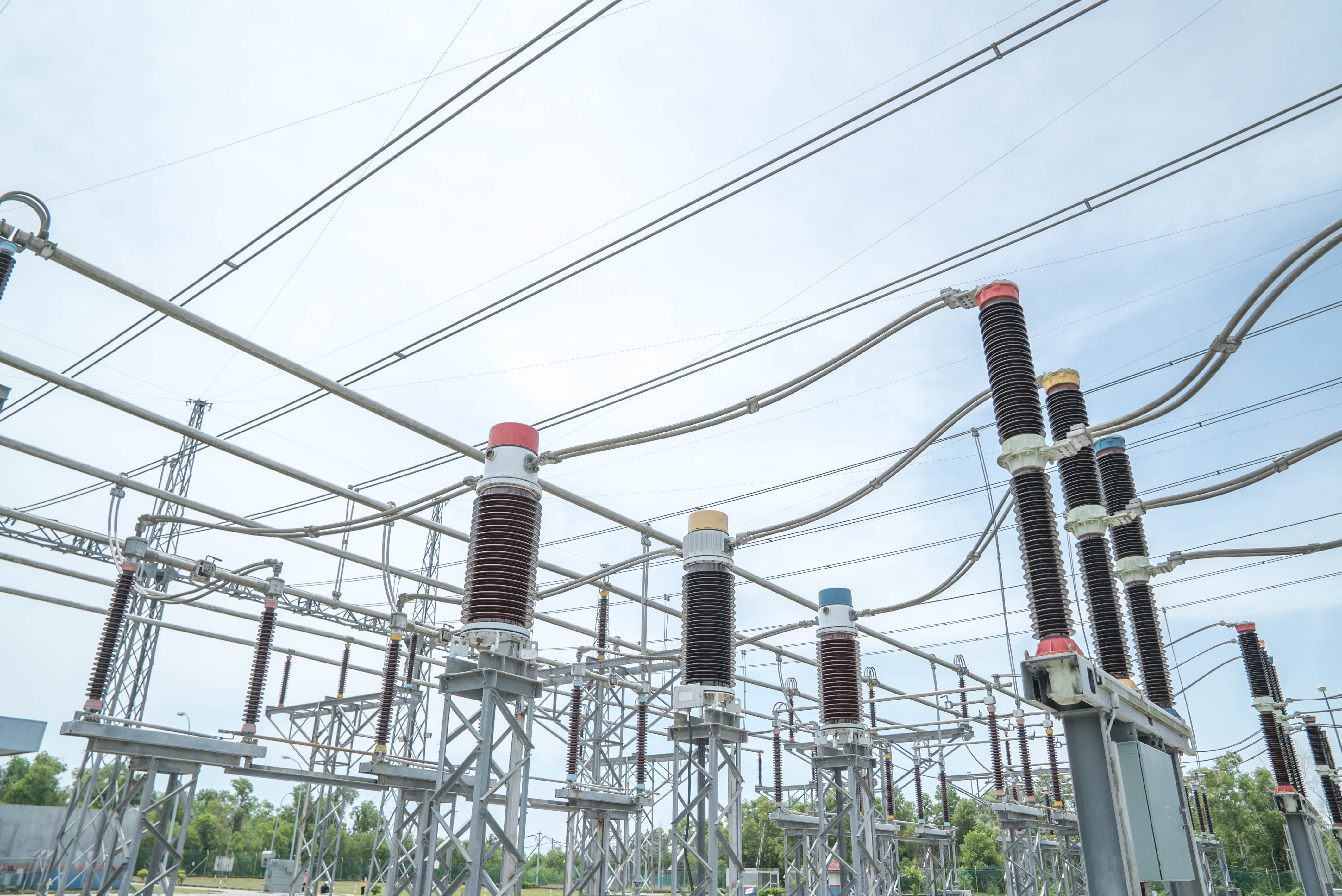
 Illustrative image – not actual.
The Central Electricity Authority (CEA) has sought stricter norms for grid infusion by private power producers.
The CEA opines that the private power producers should be subject to stricter norms if they want to supply power to the regional/national grids under the dynamic load management mechanism.
Need for the stricter norms comes from the possibility of private producers preferring to supply under emergency procurement regime for extended periods rather than entering into an alternative supply arrangement on lower tariff. This is possible by simple means of not declaring their plant as ready for commercial operation.
Under the grid stabilisation scheme or the 'UI mechanism', a power unit can make big profits by injecting electricity into the grid when demand is high and the grid frequency is low.
While the scheduled energy exchanges with the grid are priced under the agreements between the buyer and seller utilities or through the market discovery price on the exchanges, deviations (positive or negative) from the scheduled exchanges which are termed as 'unscheduled interchange' (UI) are priced at a dynamic price known as the 'UI Rate'.
Also, CEA has pointed out that injection of large quantum of power without a prior schedule is not good for grid stability. such injection of power into the grid sends the grid frequency soaring, putting pressure on grid managers to either get a beneficiary (such as a State Electricity Board) to increase drawl of power or get a power unit to back down generation, failing which the grid can trip.