
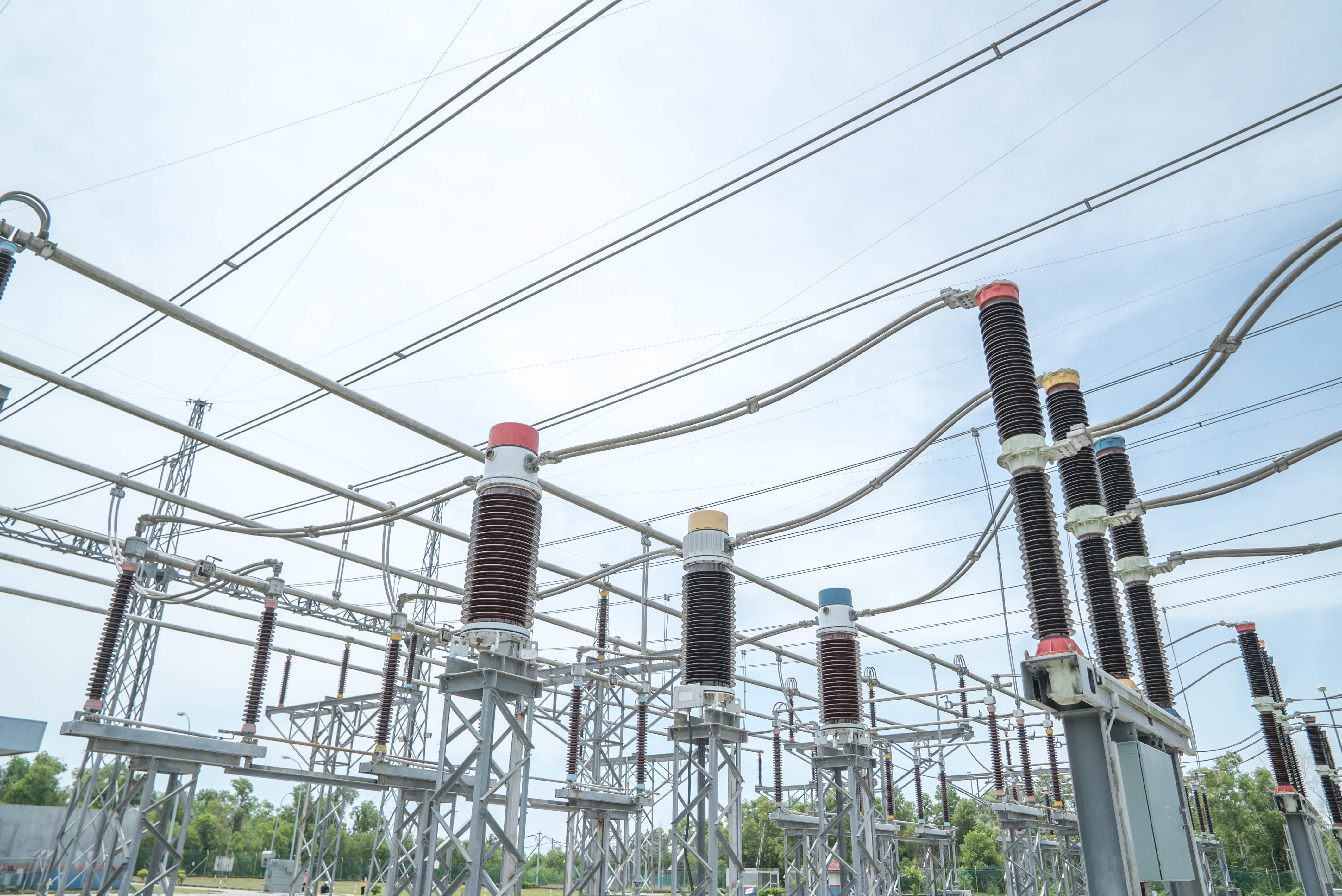
 Illustrative image – not actual.
The Central Electricity Regulatory Authority (CERC) is planning to introduce the interconnect charges regime to facilitate open access in the power transmission sector.
The open access transmission system, a pre-requisite under the Electricity Act of 2003, is expected to integrate the country’s power market and allow commercial use of the existing transmission and distribution systems by any licensee or consumer.
The CERC has suggested two methods of calculating inter-state transmission charges – postage stamp method and contracted path method.
The postage stamp method involves dividing the country into zones of 100 km2 and prescribing a postage stamp rate comprising a fixed charge per unit of energy transmitted within a particular zone. The wheeling charges would be decided based on the distance between the two points to arrive at the number of zones between the two points, with one stamp representing each zone. The stamp value would be split between the utilities owning the transmission networks in each zone. This method, though practical, is insensitive to distance.
The alternative contracted path method necessitates assessing the path length through the shortest route of transmission lines capable of carrying the contracted amount of electricity between the two points. This method is distance sensitive but tends to become imaginary in complex networks having multiple parallel paths.
The transmission service providers would be required to declare the transmission service charges for various types of services within the ceiling specified by CERC.