
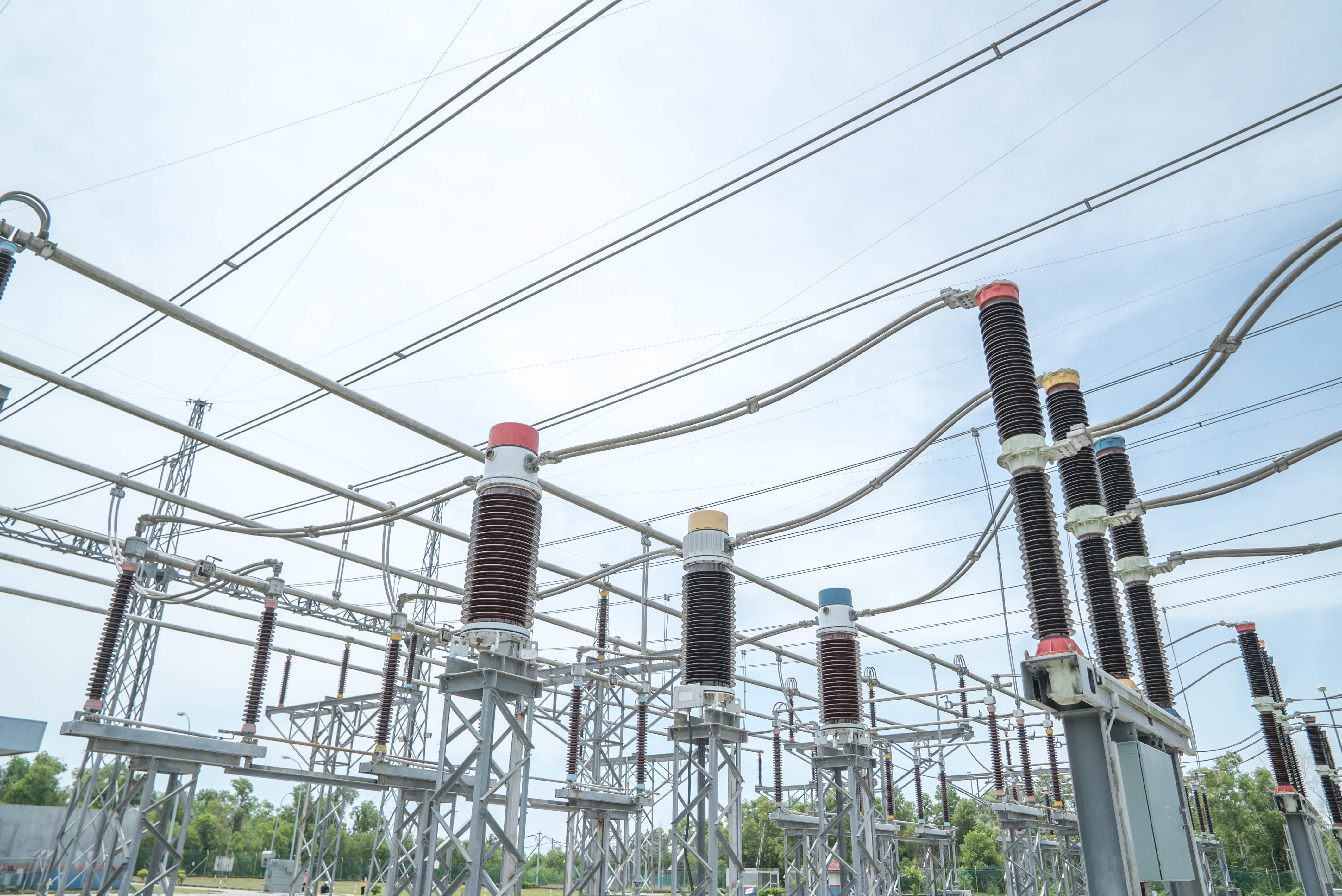
 Illustrative image – not actual.
The Government of India (GoI) and Asian Development Bank (ADB) have signed a USD 200 million loan agreement to improve quality, efficiency, and reliability of power supply in Dehradun, Uttarakhand. The fund will be utilised for the Uttarakhand climate resilient power system development project.
The signatories to the loan agreement for the Uttarakhand Climate Resilient Power System Development Project were Joint Secretary, Department of Economic Affairs in the Ministry of Finance, Juhi Mukherjee and Deputy Country Director and Officer-in-Charge of ADB's India Resident Mission, Hoe Yun Jeong.
The funding will help the state to strengthen power system infrastructure facilitating the seamless integration and transmission of renewable energy to load centres. Simultaneously, it involves upgrading the distribution system to minimise power outages and reduce technical losses. The project will help achieve state government's goal of providing 24x7 power to its residents.
As per a government release, the project will advance the city's power network infrastructure by introducing an advanced and climate-resilient underground cable system comprising 537 km of subterranean cables, 354 ring main units, and 99 compact substations. It will enhance the current power system by installing upstream substations and their associated power lines to meet increasing electricity demand, boost power distribution reliability in urban and suburban areas.
The release further mentioned that ADB will facilitate training programs for communities, focusing on energy conservation and business management skills. The Japan Fund for Prosperous and Resilient Asia and the Pacific, financed by the Government of Japan through ADB, will provide a USD two million grant to support livelihood enhancement, training, and awareness-raising activities of the project.
ADB will support the capacity development of the Power Transmission Corporation of Uttarakhand (PTCUL) and Uttarakhand Power Corporation (UPCL) by conducting project management programs to develop climate-resilient power sector projects. It will also collaborate with the Energy Department to formulate an energy transition road map to support state's low-carbon transition.