
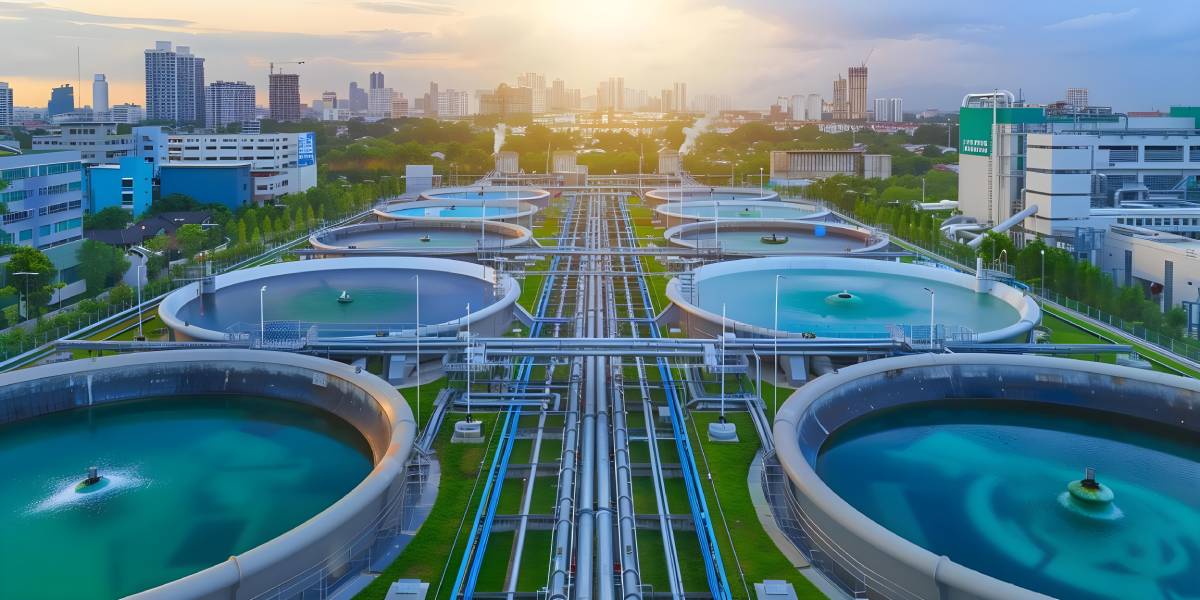
 Illustrative image – not actual.
The Delhi Jal Board has sought an additional allocation of 528 cusecs of raw water as part of its medium-term strategy to address Delhi’s widening water demand-supply gap and operationalise four new water treatment plants.
The proposal comes amid persistent supply disruptions in several “tail-end” areas of the capital’s distribution network and ongoing challenges due to reduced raw water availability from the Yamuna. Delhi currently operates nine water treatment plants with a combined capacity of about 864 million gallons per day (MGD), supplemented by around 136 MGD from groundwater sources. Despite this, the city faces an estimated deficit of nearly 250 MGD, which worsens significantly during peak summer demand. The additional water requirement is tied to upcoming infrastructure, including Phase-II of the Dwarka water treatment plant, as well as proposed facilities at Iradat Nagar, Chhatarpur, and Najafgarh. While Dwarka’s Phase-II is already complete, it remains non-operational due to insufficient raw water supply.
Long-term solutions include potential inflows from major inter-state projects such as the Kishau, Giri, and Lakhwar dams, which are expected to significantly augment Delhi’s water availability in the future, though their completion is still years away.