
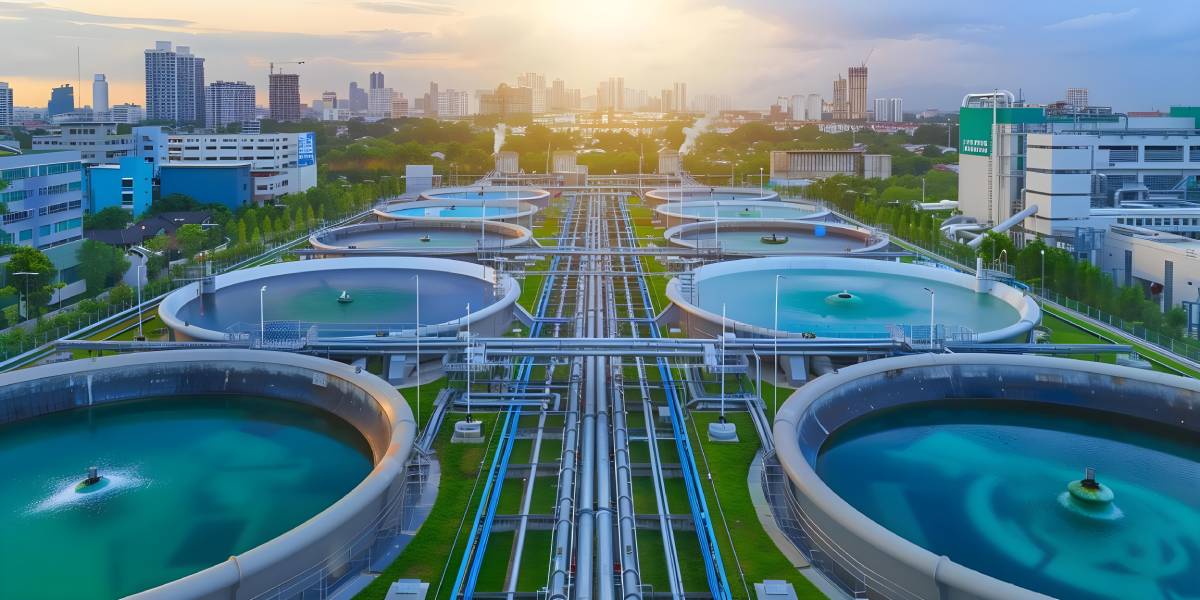
 Illustrative image – not actual.
The master plan will help BMC promote reuse of waste water for non-potable purpose to meet the increase in demand owing to urbanisation and population growth. Mumbai has waste water treatment facilities at Colaba, Worli, Bandra, Dharavi, Versova, Bhandup, Ghatkopar and Malad.
The facilities do primary treatment of waste water that has been used in the city and release it into the sea. However, BMC is upgrading the treatment facilities so that they will be able to treat water at the tertiary level.
Once upgraded by 2025, the facilities will treat 2,484 million ltr of waste water per day. As per its new master plan, BMC will use 20 percent or 496.8 million ltr of treated water for non-potable purpose such as gardening, car washing in garages and flushing.
The rest of the reused water will be released into the sea after it is treated as per requirements of the pollution control board. It will also tap bulk consumers of water such as the Railways, Metros, bus depots, car service stations, residential and commercial complexes, dyeing industries, pharmaceutical companies, mechanical industries, RMC plants, gardens, race course, universities, among others.
BMC recently invited bids for a consultant to help frame a master plan for reuse of waste water. The consultant will first prepare a plan for Colaba waste water treatment facility, which is in its final stage of upgradation and will be commissioned by October 2019.
The consultant will then take up work on Worli and Bandra facilities, followed by Bhandup and Ghatkopar and finally Versova and Malad.